
English| EUR
Suggested for you
More currencies
Choose a language
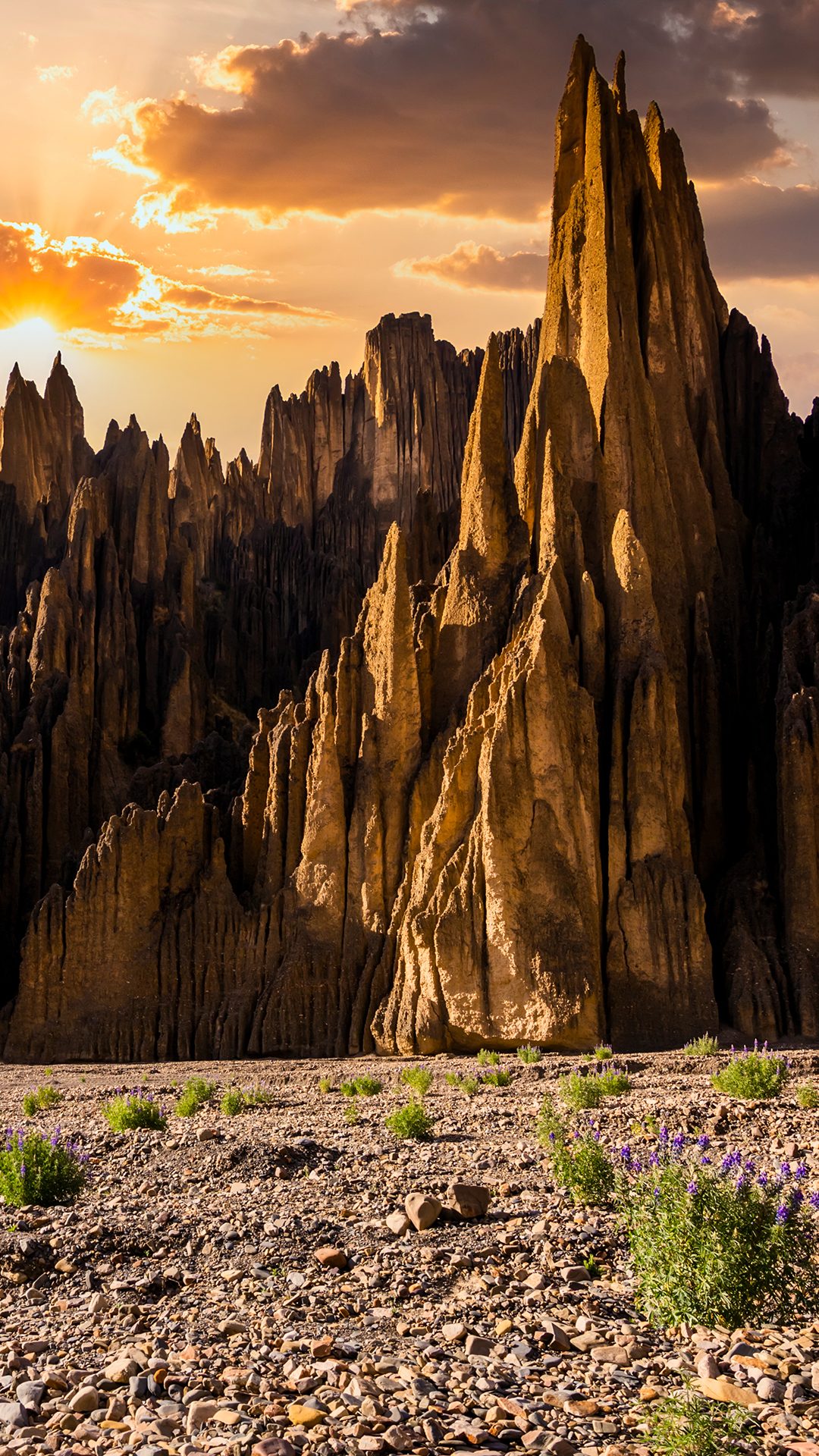
Valle de las Ánimas sits at 3,800 meters above sea level, a landscape of eroded clay towers and ridgelines carved by wind and rain over millennia. The trail system spans multiple routes of varying difficulty, each offering different vantage points across the formations. This guide addresses the logistical questions that shape your visit: which route matches your fitness level, how to reach the trailhead, and when conditions favor hiking.
Quick answer
The valle de las animas hike offers three main routes ranging from 1.5 to 4 hours round-trip, with moderate difficulty due to altitude and loose terrain. The shorter loop (1.5-2 hours) follows established paths through the clay formations and requires basic fitness, while longer routes extend into higher ridges and demand stronger acclimatization to La Paz's elevation. All trails begin from the community entrance near Mallasa, accessible by minibus or taxi from central La Paz.
The Valle de las Ánimas trail network begins where the sprawl of southern La Paz gives way to exposed clay badlands. Most hikers approach via Mallasa, a residential district connected to the city center by frequent minibuses that terminate near the marked trailhead. A 5 boliviano community fee grants access to the formation zone, where trails diverge toward viewpoints overlooking the valley floor and the eroded spires that give the site its name. Altitude dictates the challenge more than distance. At 3,800 meters, even the shorter loop demands acclimatization, and first-time visitors to La Paz often underestimate the effect of thin air on exertion. The terrain itself is stable on the main paths but loose near ridge edges, where compacted clay fractures into gravel. Hikers who extend beyond the primary circuit encounter steeper ascents and exposed sections where footing requires attention. The longest route climbs to a saddle overlooking both Valle de las Ánimas and the neighboring Valle de la Luna, a four-hour commitment that rewards with panoramic sight lines across the altiplano. Morning departures between 7:00 and 10:00 align with cooler temperatures and softer light that sharpens the contrast between shadow and clay. Afternoon sun flattens the formations and raises dust along the trails, reducing visibility and comfort. Rain during the wet season from December through March can render sections slippery, though the valley drains quickly and rarely becomes impassable. Wind is persistent year-round, and exposed ridges amplify its effect, making layered clothing necessary even in warmer months. The site operates without formal infrastructure beyond the entrance station. No facilities exist along the trails, and mobile coverage is intermittent once hikers move deeper into the formations. Water sources are absent, and shade is limited to occasional overhangs where clay walls offer brief respite. The valley's appeal lies in its raw topography and the absence of managed paths beyond the primary loop, a trade that favors self-sufficient hikers prepared for altitude and exposure over those expecting groomed trails and signage.
“Altitude dictates the challenge more than distance — at 3,800 meters, even the shorter loop demands acclimatization.”
The Valle de las Ánimas loop covers approximately 6–8 kilometers of uneven, rocky terrain with moderate elevation changes, typically requiring 3–4 hours to complete at a comfortable pace. Navigation is straightforward along the main trail, though loose scree and unmarked side paths demand attention.
The trail begins just past the fee collection point at the valley entrance. Look for the worn dirt path heading into the canyon; avoid unmarked diverging routes that lead to dead ends.
The main trail stays relatively flat for the first 1.5 kilometers, weaving between towering clay spires. Terrain shifts from packed earth to loose gravel, so watch your footing on downhill sections.
A series of switchbacks begins midway through the hike, gaining roughly 150 meters in elevation over 2 kilometers. The path narrows here; stay on the defined trail to avoid unstable edges and erosion zones.
The descent retraces part of the ascent before branching onto a parallel loop trail. Loose scree makes the downhill sections slippery, especially if you're moving quickly or carrying a heavy pack.
The Valle de las Ánimas is located southeast of La Paz. Reaching the trailhead requires navigating local public transport or securing private transit to the community entrance.
Micro or Trufi toward Ovejuyo or Chasquipampa to the final stop
Private hire from La Paz city center directly to the trailhead
Drive via Avenida del Libertador toward Ovejuyo/Palca
If taking public transport, request to be dropped off as close to the Palca road intersection as possible to minimize walking to the main entry point.
The best arrival window for the Valle de las Ánimas hike is 07:00–10:00, as mornings offer cooler temperatures and fewer crowds. Planning your visit during the dry season ensures the most consistent conditions for navigating the terrain.
Clear skies, 10°C to 18°C. This period offers stable weather with minimal precipitation.
Variable, 8°C to 16°C. Expect occasional rain showers, particularly during afternoons.
—
Visiting on weekdays provides the quietest experience on the trails.
Verdict: For the optimal combination of clear weather and solitude, arrive between 07:00 and 10:00 on a weekday during the dry season months of May through October.
The Valle de las Ánimas is accessible to visitors throughout the entire week. The site maintains consistent operating hours every day to accommodate hikers.
Pack these essentials to stay safe and comfortable on the rocky, exposed trails of Valle de las Ánimas.
Everything you need to know about valle de las animas hike
The trail difficulty is moderate, offering paths that navigate unique geological spires and canyons. Proper footwear is recommended for navigating the loose soil and uneven paths found during your valle de las animas hike.
When preparing for your trek, pack sunscreen, water, and appropriate layers to account for changing high-altitude weather. Having a light daypack will make your excursion to these La Paz landmarks much more comfortable.
Access to the area requires a community fee of 5 BOB for upkeep, which is payable directly at the entrance. This fee helps the local community maintain the trails and preserves the site for all visitors.
The best arrival window is between 07:00 and 10:00 to enjoy cooler temperatures and fewer crowds. Starting your valle de las animas hike early ensures you avoid the midday sun while exploring these sedimentary landscapes.
While many visitors prefer independent exploration, local agencies provide transport and guided experiences to help you navigate the trails safely. These tours offer context about the unique Andean topography and local customs.
You can reach the area using local transit from La Paz that heads toward the Palca region. Please consult the dedicated directions section for specific bus routes and drop-off points near the entrance.
The site remains open daily, with operating hours from 00:00–23:59 to accommodate varying schedules. This flexibility allows you to plan your visit at your convenience within the recommended arrival window.